


Last updated on August 10, 2026
Biohacking is one of the most talked-about wellness concepts in recent years, often described as a way to optimize your body and mind through changes in nutrition, daily habits, and supplementation. From cold exposure routines to intermittent fasting and wearable health trackers, the idea of “hacking” human biology has become a major part of modern wellness culture.
But behind the growing popularity of biohacking, a bigger question remains: is it actually effective science-backed self-improvement, or just another wellness trend wrapped in modern language? What do you think?
What biohacking actually means
At its core, biohacking is not a single method or system. It is a broad umbrella term that includes different approaches people use to improve how they feel, perform, and function on a daily basis.
Most biohacking practices can be grouped into three main pillars:
- Nutrition – how food choices, timing, and eating patterns influence energy and metabolism
- Habits – daily routines such as sleep optimization, movement, and environmental exposure
- Supplements – additional nutrients or compounds used to support the body’s natural processes
These pillars often overlap with long-standing health principles that are not new, but are now being reframed through a modern “optimization” lens.
Why biohacking became so popular
The rise of biohacking is closely tied to modern lifestyle pressures. Many people are looking for ways to:
- improve focus and productivity
- increase energy levels
- manage stress more effectively
- feel more in control of their health
In its early form, biohacking was driven by individuals who experimented with improving their quality of life through curiosity, self-tracking, and lifestyle changes. Over time, it evolved into a broader movement influenced by tech communities, endurance athletes, and wellness-focused individuals who treated the body as something that could be measured and optimized.
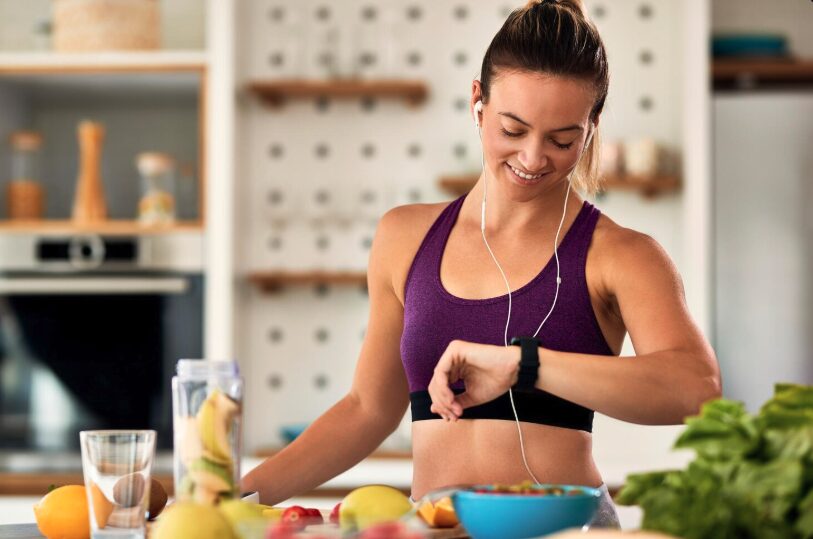
At the same time, advancements in wearable technology have made biohacking more accessible than ever. Devices that track sleep, heart rate variability, and recovery have turned internal body signals into measurable data, reinforcing the idea that health can be actively optimized through information and routine.
Cold exposure, for example, became widely recognized through figures like Wim Hof, helping transform cold plunges into a mainstream recovery practice. Similarly, professional athletes across sports have popularized recovery tools such as red light therapy, including its use for muscle recovery and performance support.
But one of the most extreme examples of biohacking is Bryan Johnson. We know Brian for his strict anti-aging protocols and controversial experiments, including blood plasma transfusions from his own son.
However, just recently, Brian has revealed that he has an incurable disease and said his stomach is “eating itself.” Why did it come to this situation? Was is because his biohacking methods were to extreme or is it something that was inevitable due to his thyroid problems?
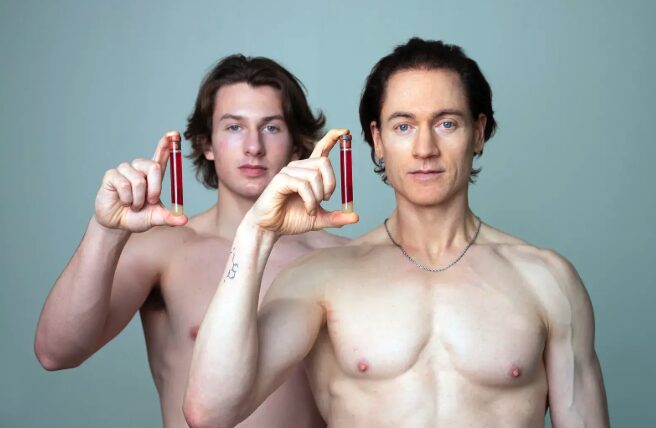
Biohacking: optimization or self-destruction?
The case of Bryan Johnson raises one of the most controversial questions in modern biohacking.
On one hand, extreme routines, restrictive diets, and constant interventions may put the body under stress and potentially trigger imbalances.
On the other hand, his obsessive tracking of biomarkers and health data could be exactly what allowed him to detect a serious condition early — something most people would miss.
So what’s the truth? Did biohacking push his body too far or did it actually help him detect the problem early? What do you think? Vote below or share your thoughts in the comments.
The idea of controlling every biological process may create an illusion of perfection, but the human body is not a machine that can be endlessly fine-tuned without consequences. In some cases, pushing too far may disrupt natural balance rather than improve it.
What biohacking is not
Despite its growing popularity, biohacking is often misunderstood. Because of social media trends and bold claims, it can easily be perceived as something extreme, experimental, or even unrealistic. In reality, many of these assumptions are misleading.
First, biohacking is not a shortcut to instant results. While some practices promise quick improvements in energy, focus, or recovery, most meaningful changes still depend on consistency and long-term habits. The idea of a “quick fix” is often more marketing than reality.
Second, biohacking is not only for elite athletes, tech entrepreneurs, or high performers. Although it gained visibility through these groups, many of its core principles, such as improving sleep, managing stress, and optimizing nutrition, are accessible and relevant to anyone.

It is also not a completely new concept. Many biohacking practices are simply modern reinterpretations of well-known health principles. What has changed is the language around them, as well as the tools used to track and measure their effects.
Importantly, biohacking is not always scientifically proven. While some methods are supported by research, others are still emerging or lack strong evidence. This is where the line between trend and truth becomes blurred, and why critical thinking is essential when approaching new techniques.
Finally, biohacking is not just about doing more. In some cases, the pursuit of constant optimization can lead to unnecessary complexity or even stress. More routines, more tracking, and more interventions do not always mean better results.
Understanding what biohacking is not helps create a clearer foundation for evaluating which practices are actually useful and which are simply part of the hype.
What science actually suggests
Biohacking often promises better energy, sharper focus, faster recovery, and improved overall wellbeing. But when we move beyond trends and into research, the picture becomes more nuanced.
Some biohacking practices are supported by solid scientific evidence while others are still being studied or are overstated online. The key difference usually lies not in the idea itself, but in how it is applied and what expectations are set.
Cold Exposure (Cold Plunges)
Cold exposure has been widely studied, especially in sports science.
✔️ What research supports:
- Reduced muscle soreness after intense exercise
- Short-term anti-inflammatory effects
- Increased alertness due to nervous system activation
❗ Where hype begins:
- Claims about major fat loss or “metabolic transformation” are often exaggerated
- Long-term benefits for general health are still being researched
It is also important to note that cold exposure is not a one-size-fits-all practice. While some people find it energizing and beneficial, others may experience discomfort or stress responses that make it unsuitable for them.

Intermittent Fasting
Intermittent fasting is one of the most researched biohacking strategies.
✔️ What research supports:
- Improved insulin sensitivity
- Potential support for weight management
- Cellular repair processes (e.g., autophagy in certain conditions)
❗ Where hype begins:
- Not universally better than balanced calorie control
- Benefits depend heavily on lifestyle, consistency, and individual biology
Supplements
The supplement industry is a major part of biohacking culture but also one of the most misunderstood.
✔️ What research supports:
- Certain supplements (like vitamin D or omega-3) can be beneficial when there is a deficiency
- Some compounds may support specific functions (e.g., focus, recovery)
❗ Where hype begins:
- Many supplements are marketed with limited or weak evidence
- “Stacks” and complex routines are often unnecessary for most people
When it comes to supplements, the effects are even more dependent on individual context. Nutritional status, lifestyle, diet quality, and personal physiology all play a role in how someone responds to supplementation.
This is why supplements are not inherently “necessary” or universally beneficial. In many cases, they are used to complement existing dietary patterns rather than replace foundational health habits.

Red Light Therapy
Red Light Therapy has gained attention in both wellness and sports performance.
✔️ What research suggests:
- Potential support for skin health
- Possible role in muscle recovery and inflammation reduction
❗ Where hype begins:
- Results vary depending on device quality and usage
- Many consumer claims go beyond current evidence
The bottom line: Context matters
Across all biohacking practices, one thing remains consistent: the basics still matter most.
Sleep quality, balanced nutrition, regular movement, and stress management have far stronger scientific backing than most advanced optimization techniques. Biohacking can support these foundations but it rarely replaces them.
This is where the real distinction between hype and truth lies:
- Truth → small, consistent improvements built on proven fundamentals
- Hype → extreme promises, quick fixes, and overcomplicated routines
Final verdict: Hype or truth?
Biohacking sits in a space that is not easily defined as either purely scientific or purely trend-driven. Habits such as improving sleep, regular movement, and balanced nutrition remain the foundation of long-term wellbeing, regardless of how they are framed or labelled.
At the same time, many biohacking practices gain popularity faster than the evidence behind them can fully develop. This is especially true in the digital wellness space, where social media, influencers, and performance culture often amplify certain methods before their effects are fully understood. And sometimes, we want to do so much, we loose ourselves in the optimization culture.
The most balanced approach is not to fully accept or reject it, but to stay aware of context, individuality, and evidence levels behind each method.
Ultimately, biohacking reflects a broader cultural shift: the desire to feel better, perform better, and regain a sense of control in an increasingly fast-paced world.
Voice your thoughts in the comments or see other polls about health.
This is SpeakOutZone.
Your voice. Your platform.

I’m not a doctor or a scientist. I’m a marketing professional who spent years working with health and lifestyle brands. I read a lot, ask a lot, and write about the topics that are worth debating about. My goal isn’t to tell you what to think. It’s to give you well-researched perspectives, honest opinions, and space to voice your thoughts.