

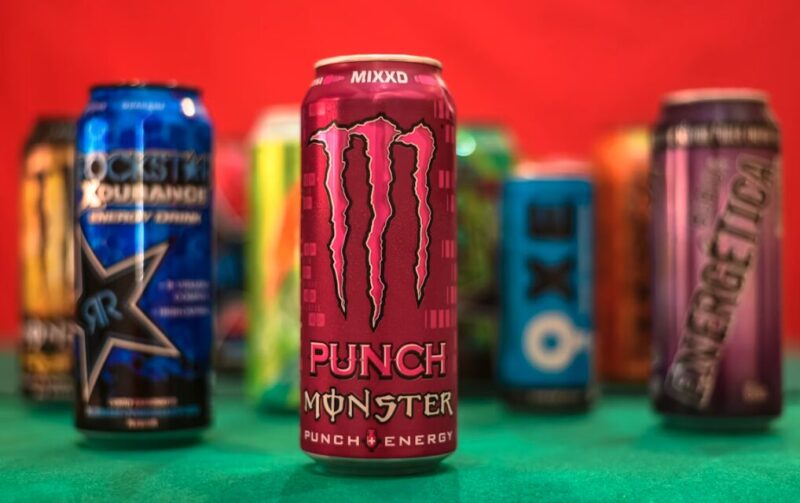
A few years ago, energy drinks were mostly seen as something reserved for adults: late-night drivers, overworked professionals, or gym enthusiasts looking for a boost. Today, that image has completely changed. And it has grown into a serious problem. More and more experts are starting to connect the dots between energy drinks and heart problems, especially in younger age groups where the body is still developing.
Walk past any school, and you’ll see brightly coloured cans in backpacks. Teenagers casually sipping energy drinks before class. The same way previous generations sipped juice.
Somehow, It feels normal now. But behind that normalisation, something else is quietly growing: concern.
Doctors are seeing more young patients with symptoms that used to be rare in their age group. Parents are starting to question habits they previously ignored. And researchers are increasingly focused on one key issue — the link between energy drinks and heart problems in children and teenagers.
This isn’t about panic. It’s about recognising a shift that happened faster than most people noticed.
What’s actually happening inside the body?
At first glance, energy drinks don’t seem dramatically different from other beverages. They’re sold next to sodas. They’re marketed as lifestyle products. They promise focus, stamina, and performance. But that’s just the marketing way of presenting these types of beverages.
They don’t tell you about the bad stuff. The problems that you can face if you drink it regularly. And to understand the risk, you need to understand what these drinks do.
Most energy drinks rely on a combination of caffeine, taurine, sugar, and other stimulants. On their own, some of these ingredients are not inherently dangerous. The issue is the dose and combination — especially when consumed quickly.

Caffeine stimulates the central nervous system. It increases heart rate, raises blood pressure, and creates a temporary feeling of alertness. For a teenager, that effect can be significantly stronger than for an adult.
Now add taurine and other compounds into the mix, and the stimulation becomes less predictable.
The result?
- the heart beats faster
- blood pressure rises
- the body enters a heightened stress state
For a fully developed adult, this may pass without consequences. For a developing body, it can trigger symptoms that shouldn’t be ignored.
Energy drinks and heart problems in teenagers: what the data shows
The connection between energy drinks and heart problems is not based on isolated cases anymore.
Recent data shows that between 30% and 50% of teenagers consume energy drinks regularly. At the same time, hospitals are reporting more cases of young people arriving with symptoms like chest pain, heart palpitations, and irregular heartbeat.
In clinical observations and case reports, doctors have identified patterns that are hard to dismiss:
- episodes of arrhythmia (irregular heart rhythm)
- sudden spikes in blood pressure
- chest discomfort without prior health conditions
- in rare cases, cardiac arrest
What makes this particularly concerning is that many of these cases involve otherwise healthy teenagers with no known heart issues.
Why kids are more vulnerable than we think
One of the biggest misconceptions is that kids are just “smaller adults.” They’re not.
The cardiovascular system is still developing during adolescence. The same goes for the nervous system, which regulates how the body responds to stimulants like caffeine.
A dose of caffeine that feels moderate to an adult can overwhelm a child’s system. The effects can last longer, hit faster, and create stronger physiological reactions.

There’s also another layer: lifestyle.
Teenagers today are often:
- sleeping less
- spending more time on screens
- dealing with higher levels of stress
When energy drinks enter that environment, they don’t act in isolation — they amplify everything.
Energy drinks and heart problems: when risk turns into reality
Not every child who drinks an energy drink will end up in the hospital. But the risk increases significantly under certain conditions.
For example, combining energy drinks with physical exertion can push the heart harder than expected. Drinking them quickly, or consuming multiple cans, adds another layer of strain.
Mixing them with alcohol — something that happens more often in older teens — creates a particularly dangerous combination. The stimulant effect can mask intoxication, leading to higher consumption and greater cardiovascular stress.
Children with underlying conditions, even undiagnosed ones, are at even higher risk.
The symptoms most people ignore
One of the biggest problems isn’t just the drinks — it’s how symptoms are perceived.
A racing heart is often dismissed as anxiety.
Dizziness is brushed off as dehydration.
Chest discomfort is ignored completely.
But these can be early warning signs.
Common symptoms linked to high stimulant intake include:
- heart palpitations
- chest pain or tightness
- nausea
- dizziness
- sudden anxiety or restlessness
Ignoring these signals doesn’t make them harmless. It just delays awareness.
The role of marketing and perception
Energy drinks are not just products — they’re brands built around performance, energy, and lifestyle.
For teenagers, they’re often associated with:
- fitness
- gaming
- productivity
- social identity
That perception matters. It normalises frequent consumption and downplays potential risks.
When something is marketed as “energy,” it rarely feels like something that could cause harm.
Energy drinks and heart problems: the long-term question
Short-term effects are easier to notice. A racing heart. A spike in energy. A sudden crash.
But the bigger question is long-term impact.
Repeated exposure to high levels of stimulants may place ongoing stress on the cardiovascular system. While research is still developing, early signals suggest that regular overstimulation is not something the body simply “gets used to” without consequences.
This doesn’t mean every teenager who drinks energy drinks will develop heart problems.
But it does mean the risk is being normalised.
And that’s where the real concern lies.
What can actually be done?
This isn’t about panic — it’s about awareness.
Parents don’t need to control every decision, but understanding the risks makes a difference. Conversations matter more than strict rules.
Did fuel prices push Spirit Airlines over the edge?
Simple steps can already reduce risk:
- limiting frequency instead of ignoring the habit
- encouraging alternatives like hydration and proper sleep
- paying attention to symptoms instead of dismissing them
Doctors are also increasingly encouraged to ask about stimulant consumption when evaluating young patients.
Let’s talk about it
This topic sits somewhere between health, lifestyle, and culture — which is exactly why it often gets overlooked.
But it shouldn’t.
Because the question isn’t just whether energy drinks are “bad.”
It’s whether we’re underestimating their impact on younger bodies.
What’s your experience?
Have you — or someone around you — ever felt side effects after drinking them?
Do you think the risks are exaggerated or not taken seriously enough?
Drop your thoughts in the comments. Vote in polls.
This is your SpeakOutZone.
Your voice. Your platform.

I’m not a doctor or a scientist. I’m a marketing professional who spent years working with health and lifestyle brands. I read a lot, ask a lot, and write about the topics that are worth debating about. My goal isn’t to tell you what to think. It’s to give you well-researched perspectives, honest opinions, and space to voice your thoughts.