


We wake up and immediately check the sleep score. We drink a glass of water just before wo do twenty minutes of red light therapy. Then, it is time for our supplement stack and meditation. After that, we journal and track macros. We schedule a workout. just to hit our step goal. All this while, of course, while we fast until noon. Then, we optimize.
And we wonder why we’re so tired?
Optimization culture has quietly become the dominant framework for modern wellness. Everything is measurable and trackable. Everything is a project you’re supposed to be working on — your sleep, your gut, your mind, your metabolism, your morning routine, your evening wind-down. There’s a supplement, a device, an app, a protocol, and a €300 gadget for every part of yourself you didn’t know needed improving.
And somehow, despite doing all the right things, we’re more exhausted than ever. Vote in poll below.
Is optimization culture a real thing?
Optimization culture isn’t a single trend. It’s an entire worldview. One that treats human beings as systems to be tuned, measured, and improved.
You’ve seen it everywhere without necessarily naming it. It’s the idea that your sleep isn’t just sleep, it’s a score. Your morning isn’t a morning, it’s a routine because your body isn’t a body, it’s a project with metrics.
Optimization culture borrows the language of business: KPIs, protocols, systems, stacks, biohacks… and applies it to being human. The underlying promise is simple: if you can measure it, you can improve it. If you can improve it, you should. And if you’re not improving it, you’re falling behind.
This is where the biohacking movement lives. It’s where cold plunges get sold as personality traits and where intermittent fasting becomes a protocol instead of just skipping breakfast. It’s where supplement stacks replace vegetables and where a $300 red light panel becomes as essential as brushing your teeth.
Optimization culture doesn’t ask if you need any of this. It assumes you do. And if you’re not doing it, you’re not “optimizing” — which, according to the culture, is basically the same as failing.
The rise of optimization burnout
Here’s the ugly irony at the heart of all this.
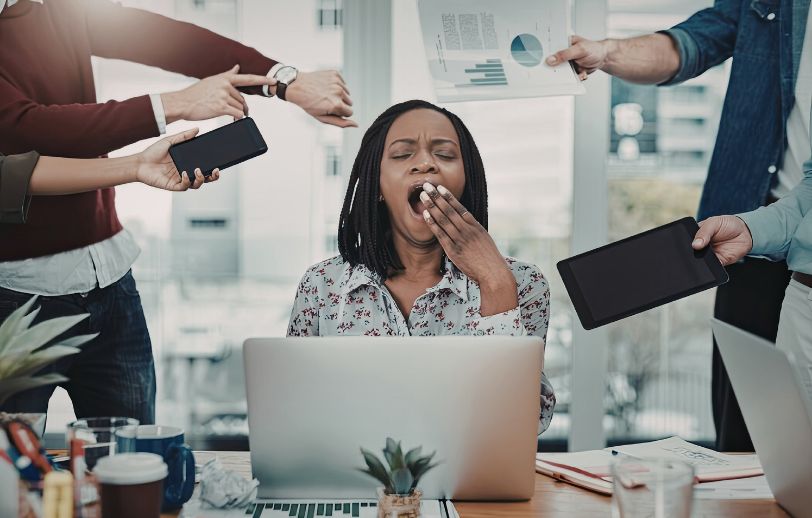
The people who most consistently do everything “right” — track their sleep, follow the protocols, take the supplements, hit the workouts, follow the routines — are also the people burning out fastest.
Wellness burnout is real. It’s been given a proper name in the research: betterment burnout. It’s what happens when the pursuit of constant self-improvement becomes exhausting rather than energizing. Your rest starts feeling inefficient and downtime feels like failure. When you feel like you can’t even relax without checking whether relaxing “correctly” is going to help your recovery score.
See other polls about HEALTH
Therapists are seeing more of it. Wellness writers are quietly admitting to it. Even the wellness industry — the same industry selling the panels and the powders and the protocols — is starting to talk about the “over optimization backlash” building among consumers who are simply exhausted by trying to be perfect.
The people running the hardest toward optimization are the ones who look the most polished on Instagram. They’re also, increasingly, the ones quietly falling apart.
The new vocabulary of exhaustion
There’s a reason new words are emerging for this. When something needs a name, it usually means we’ve collectively noticed it.
Optimization fatigue — the exhaustion that comes from constantly monitoring and improving yourself.
Wellnessmaxxing — the (mostly Gen Z) term for the extreme, all-in wellness lifestyle where every waking hour is optimized.
Betterment burnout — the specific kind of exhaustion tied to self-improvement culture.
Wellness burnout — the broader emotional exhaustion from trying to “do wellness right.”
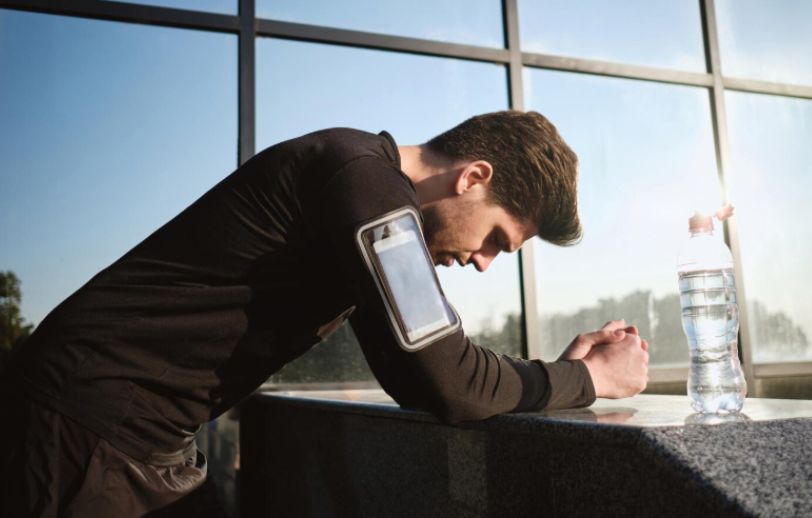
These aren’t invented buzzwords. They’re the language people are reaching for to describe a very real, very modern experience. They describe the feeling that self-improvement has quietly become another form of self-criticism.
You track your sleep to improve it. Then you sleep worse because you’re anxious about the score. You take supplements to feel better. Then you get anxious about whether you took the right ones. You cold plunge to build resilience. Then you feel guilty on the mornings you skip it. You meditate to reduce stress. Then meditation itself becomes another item on your to-do list.
Somewhere in there, the tools stopped serving you. You started serving them.
Why we can’t stop
Here’s the harder question: if optimization culture is making us exhausted, why do we keep doing it?
Part of it is the dopamine hit of measurable progress. Numbers going up feel like progress. Sleep score up two points. Recovery ring green. Steps hit. Fast complete. Streak maintained. The brain rewards this even when the underlying life isn’t actually getting better.

Online shaming and how the internet never forgets
Part of it is uncertainty. We live in a world where nothing feels stable — the economy, the news, our careers, our relationships. Optimizing our morning routines is one of the few things we can actually control. When you can’t fix the big things, fixing the small things starts to feel really important. Even when it isn’t.
And part of it is the wellness industry itself. A $6 trillion industry doesn’t survive by telling you that you’re fine. It survives by convincing you that you’re broken, and that the next protocol, panel, or pill is the missing piece. There’s always another thing to optimize. There’s always another version of you to become.
The optimization treadmill isn’t a bug of wellness culture. It’s the entire business model.
The alternative to optimization culture
I’m not going to pretend I have a perfect answer to this. I never ate breakfast so I skeap it regularly. I take my magnesium and I use vitamin D in winter. I’m not immune to any of it.
But I’ve stopped believing the promise. The promise that if I just find the right combination — the right supplement, the right routine, the right protocol — everything will click into place and I’ll finally feel well.
Because the truth is simpler and less marketable. Most of the time, being tired means you need more sleep. When you feel weak you probably just need more movement. Feeling anxious means something in your environment needs to change, not your morning routine. And if you feel lonely? Well you definitely don’t need a better journaling app, but just a meaningful get-together with people close to you.
The over optimization backlash is really just people remembering something obvious: human beings aren’t systems to be optimized. because we are not machines. We don’t have “protocols” that make us function properly. We have needs. Basic, boring, unglamorous needs that no supplement stack or red light panel can replace.
Sleep. Movement. Nature. Food. Connection. Rest. Time.
None of these can be optimized. They just have to be lived.

Ozempic and celebrities: the truth behind rapid weight loss
When the wellness industry sold us a lie
Here’s what I’ve come to believe, quietly, over the years of watching this culture unfold.
The wellness industry didn’t create optimization culture out of concern for our health. It created it because health is a market. And a market only works when consumers keep buying.
The genius of optimization culture is that it never lets you finish. There’s always another metric to improve. Another protocol to try. Another version of yourself just around the corner, if you’d only optimize a little harder. It’s the perfect business model — the customer can never be fully “well.” Wellness is always just one purchase away.
We were sold the idea that self-improvement is a virtue. That measuring everything is progress. That the exhausted, over-tracked, over-supplemented, over-optimized version of ourselves is somehow better than the un-optimized version.

Maybe it’s time to admit that all we’ve done is invent a very sophisticated way to feel bad about ourselves. Only this time, we’re paying premium prices for the privilege.
The permission you didn’t know you needed
If you’re reading this and quietly recognizing yourself — the exhaustion, the tracking, the endless routines, the feeling that you’re always one protocol away from finally being well — this might be the permission you needed.
You don’t have to do all of it. You don’t have to do any of it. The wellness industry has convinced us that opting out is opting into failure. It isn’t. Sometimes opting out is opting into a life that feels like yours again.
First of all, you’re allowed to not track your sleep. Second, the cold plunge? You can skip it. If you are hungry in the morning, well, just go and eat your breakfast. You’re allowed to have days where you don’t optimize a single thing. You’re allowed to be a person, not a project.
Optimization culture is exhausting us. Not because we’re doing it wrong but because we’re doing it at all.
Voice your thoughts. Cast your votes.
Tell us in the comments: where are you in the optimization spiral? Are you still climbing, or already coming down?
This is your SpeakOutZone.
Your voice. Your platform.
*This article is for informational purposes only and is not a substitute for professional medical or mental health advice. If you’re struggling with burnout, anxiety, or exhaustion, please consult a qualified provider.

I’m not a doctor or a scientist. I’m a marketing professional who spent years working with health and lifestyle brands. I read a lot, ask a lot, and write about the topics that are worth debating about. My goal isn’t to tell you what to think. It’s to give you well-researched perspectives, honest opinions, and space to voice your thoughts.