

Last updated on August 10, 2026
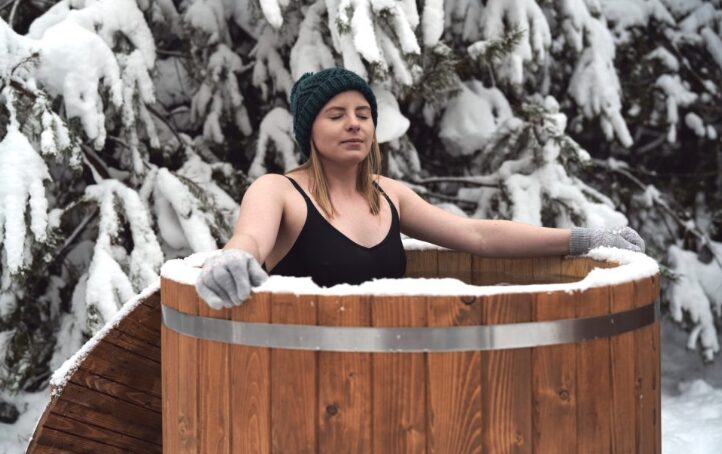
Cold plunges or cold water immersion (CWI) refers to the practice of exposing the body to cold water for a short period of time, typically by submerging parts of or the entire body in water temperatures significantly below normal body temperature. It is commonly used in sports and wellness contexts as a recovery method intended to influence circulation, inflammation response, and nervous system activity.
In recent years, cold plunging has also become a widely discussed practice within the biohacking and wellness community. While cold exposure has existed in various forms for a long time, its modern popularity has been partly shaped by public figures and athletes, including the Wim Hof Method, which helped bring structured cold exposure and breathing practices into mainstream wellness culture.
Some individuals use cold plunges to optimize energy levels, mental clarity, and physical recovery. However, it is not a universally adopted practice, and many people choose not to include it in their routine due to personal tolerance, comfort levels, or individual health considerations.
So…are you ready to dip yourself in an ice-cold water?
Before you start with ice baths or cold plunges, it’s important to understand what they actually do to your body.
What cold plunges actually do to your body
Cold plunges work primarily by activating your nervous system and triggering a rapid physiological response.
When your body is exposed to cold water:
- blood vessels constrict
- heart rate and breathing increase
- the body shifts into a short-term stress response
After leaving the cold, circulation increases again as the body warms up. This process is often described as a “reset” feeling, one of the main reasons people find cold exposure energizing.
However, it’s important to understand that this response is still a form of stress. The body is reacting quickly to maintain balance, not necessarily relaxing. Before we dive deeper, we want to hear what you think.
What research suggests about cold plunges
Cold water immersion has been studied primarily in the context of sports recovery and physical performance. While research is still evolving, several potential effects have been observed in controlled settings.
One of the most commonly discussed benefits is muscle recovery after intense physical activity. Cold exposure may temporarily reduce blood flow and inflammation in the muscles, which can help decrease soreness after demanding exercise. This is one of the main reasons cold plunges are widely used in sports environments.
There is also emerging evidence suggesting that cold exposure may influence mood and alertness. Some people report feeling more focused and mentally clear after cold immersion, likely due to the activation of the nervous system and stress response. However, these effects can vary significantly from person to person.
In addition, some studies have explored possible links between cold exposure and sleep quality, particularly in athletes, although findings are not yet consistent enough to draw strong conclusions for the general population.
Claims around immune system strengthening or illness prevention are still considered preliminary and not strongly established in scientific literature. These ideas exist mostly in early research or observational contexts rather than definitive clinical evidence.
Finally, cold plunges are sometimes used in sports medicine to help regulate body temperature after intense exertion, especially in cases of overheating during training or competition.
Overall, current research suggests that cold plunges may have specific short-term benefits, particularly in athletic or recovery contexts, but the strength and consistency of these effects vary widely.
When cold plunges may not help
After a cold plunge you should feel energized and grounded. But that is not necessarily the case.
In certain situations, it may feel less helpful or even counterproductive:
- during periods of high stress or burnout
- when the body is already tense or fatigued
- when used too frequently or too intensely

In my own experience, I practiced cold plunges consistently during a particularly demanding period. At first, they felt like a way to reset and regain focus. Over time, however, I started noticing that my body didn’t always respond positively. Tension, especially in the neck and upper body, didn’t improve and in some moments, it felt more noticeable.
It’s difficult to say whether cold exposure played a direct role, or whether it was simply a reflection of prolonged stress. Adding cold plunges on top of my already overloaded body system didn’t lead to the expected benefits.
What became clear to me is, that even well-known wellness practices don’t exist in isolation. They depend on the condition that your body is already in.
This is why you should approach cold plunges with your own needs in mind rather than how everybody else are doing them.
What do you think? Are cold plunges the best thing that can happen to your body?
Or is it better to be careful and choose another method?
Voice your thoughts in the comments.

How to start with cold plunges
If you’re considering trying cold plunges, a gradual and balanced approach is key.
- Start with shorter exposure times
- Focus on consistency rather than intensity
- Pay attention to how your body responds
- Avoid forcing the practice during periods of high stress
The goal is not to push through discomfort at all costs, but to observe how your body adapts over time.
Rather than following trends or rigid routines, it’s more useful to approach cold exposure with awareness, flexibility, and a focus on how your body actually responds.
In the end, biohacking practices like cold plunges are most effective when they support your wellbeing, not when they become another thing to push through.
See other polls about HEALTH

I’m not a doctor or a scientist. I’m a marketing professional who spent years working with health and lifestyle brands. I read a lot, ask a lot, and write about the topics that are worth debating about. My goal isn’t to tell you what to think. It’s to give you well-researched perspectives, honest opinions, and space to voice your thoughts.