


Last updated on July 27, 2026
There was a time when celebrity weight loss transformations felt almost unattainable. Strict diets, personal trainers, and extreme routines were the assumed secrets behind dramatic before-and-after photos.
Today, you can check any red carpet event and you will notice the same thing: Hollywood is getting smaller and there is a new word dominating the conversations: Ozempic. And even though the stars deny the whispers of their vanity to hide the real reason, we can’t go past the fact that a drug for diabetes rewrote the culture of thinness.
Originally developed as a medication for type 2 diabetes, Ozempic has quickly become one of the most talked-about weight loss solutions in the world.
But behind the hype, a bigger question is emerging: is this a breakthrough… or a dangerous shortcut?
What is Ozempic and why is everyone talking about it?
Ozempic is a brand name for semaglutide, a drug designed to regulate blood sugar levels in people with diabetes. One of its side effects, however, is significant weight loss.
It works by mimicking a hormone that regulates appetite, making people feel full faster and for longer. The result? Reduced calorie intake without the constant feeling of hunger that typically accompanies dieting.
It sounds almost too good to be true.
And for many, that’s exactly the appeal.
As stories of rapid transformations began circulating online, Ozempic quickly moved beyond its original purpose. It became a lifestyle trend — and in some circles, a status symbol.
The drug was first approved in 2017 for the treatment of type 2 diabetes, but its role in weight loss began gaining attention a few years later. Around 2021, as higher-dose versions of semaglutide were approved specifically for obesity treatment, interest surged. Since then, prescriptions have increased dramatically — not only among patients with medical needs, but also among those seeking weight loss for aesthetic reasons. In some countries, this shift has even led to shortages, with demand from non-diabetic users at times outpacing supply intended for people who rely on it for managing their condition.
The rise of celebrity weight loss culture
The fascination with celebrity weight loss is nothing new.
For decades, the public has been obsessed with how stars achieve their looks. But social media has taken this obsession to an entirely new level. Platforms like Instagram and TikTok have made transformations more visible, more frequent, and far more influential.
Now, instead of gradual changes, we are seeing rapid, dramatic weight loss — sometimes within just a few months. And many people are starting to connect the dots.
Are you being silenced by cancel culture?
Some celebrities have been open. Elon Musk publicly endorsed Wegovy and later switched to Mounjaro, posting “Ozempic Santa” photos in 2025. Oprah Winfrey called GLP-1s “a gift.”
Others deny it firmly. Kelly Clarkson attributed her weight loss to a different medication for blood sugar. Kate Winslet, Ashley Tisdale, Kylie Jenner, and Ice Spice have publicly rejected the Ozempic label, some pushing back sharply.
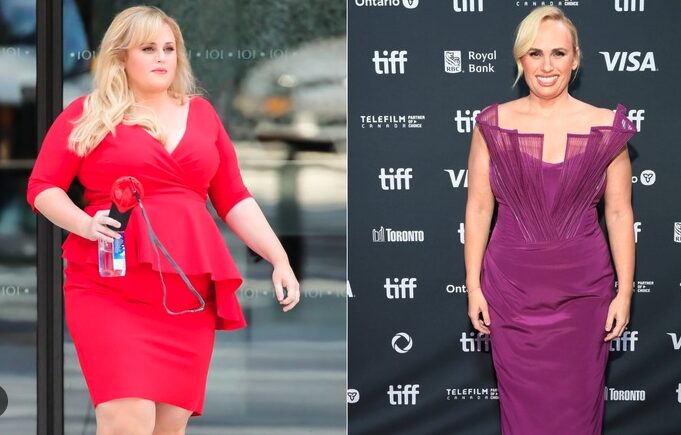
What makes this trend even more powerful is the role of social media algorithms. As explored in Do social media algorithms shape our behavior?, what we see online is not random — it is carefully selected and amplified. The more users engage with certain content, the more similar content they are shown.
This creates a cycle:
- young users follow celebrities and influencers
- they are repeatedly exposed to weight loss transformations
- dramatic results receive the most attention and engagement
- similar content keeps appearing in their feed
Over time, this constant exposure can shape expectations and even behavior. What starts as curiosity can turn into pressure — and for some, into action.
In this environment, it is not surprising that more people are not only aware of Ozempic, but are actively considering it. The trend is no longer just about celebrities. It is being reinforced, repeated, and normalized — one scroll at a time. This raises an uncomfortable question:
Are we witnessing a new standard of beauty powered by prescription drugs?
Ozempic and the pressure to be thin
Weight has always been a sensitive topic, but the current trend is creating a new kind of pressure. This drug offers something that traditional weight loss methods do not: speed.
And in a world where we value instant results, that speed can be hard to resist.
But this also changes expectations.
If weight loss can happen quickly and effortlessly for some, it may create unrealistic standards for others. People may begin to feel that slow, natural progress is not enough — or worse, that they are failing. This is where the conversation shifts from personal choice to societal impact.
The risks behind the trend
Despite its popularity, this quick weight loss method is not without risks, especially for those who use it off-label and without proper superision.
Reported side effects and risks include:
- Severe gastrointestinal symptoms: nausea, vomiting, constipation
- Gallstone formation and pancreatitis in some cases
- Muscle mass loss alongside fat loss — which can affect long-term metabolism
- “Ozempic face”: rapid facial fat loss that ages appearance
- Weight regain after stopping: multiple studies show most users regain the weight, sometimes more, once they stop injections
- Mental health concerns: influencer Remi Bader described developing severe binge eating after stopping, calling it “one of the darkest times of my life”
Endocrinologists have warned that when healthy-weight people take GLP-1s for cosmetic reasons, the risks can outweigh the benefits — including hormonal disruption, decreased bone density, and worsening of pre-existing eating disorders.
There is also the issue of accessibility.
Ozempic was originally developed for people with diabetes — individuals who rely on it for medical reasons. As demand grows among those using it for weight loss, shortages have been reported in some regions.
This creates an ethical dilemma.
Should we use a medication designed for a chronic illness to get thiner?
We’d love to hear your thoughts on this.
Is this a shortcut or a solution?
Supporters of Ozempic argue that it is simply another tool — one that can help people who struggle with weight loss achieve their goals.
After all, obesity is a complex issue influenced by:
- genetics
- metabolism
- lifestyle
- mental health
For some, traditional methods may not be enough.
From this perspective, Ozempic is not a shortcut, but a medical advancement.
Critics, however, see it differently.
They argue that relying on medication for weight loss may reinforce unhealthy relationships with food and body image — especially in a digital environment already saturated with unrealistic standards.
As highlighted in Social media and teens, concerns about the psychological impact of social platforms are no longer theoretical. Particularly among teenage girls the anxiety, depression, and body image issues rose, which is definitely linked to constant exposure to curated, idealized online content.
For teenagers still forming their identity, this can be especially powerful. The pressure is no longer just to be healthy — but to look a certain way, often as quickly as possible.
In that context, these kind of drugs may begin to feel less like a medical option and more like a necessary step to keep up.
Check out other polls and voice your thoughts.
Instead of addressing the root causes of weight gain, this approach may shift the focus toward appearance at any cost.
And when the medication stops?
Many users reported that they regain the weight. Therefore we should ask ourselves: did we solve the real issue or just found a temporary solution?
The role of celebrities and transparency
One of the most debated aspects of the Ozempic trend is honesty.
Celebrities have enormous influence. What they wear, eat, and promote shapes public perception and behavior. When it comes to weight loss, that influence becomes even more powerful.

If celebrities are using Ozempic but not openly discussing it, it creates a distorted reality.
People may compare themselves to transformations that are not entirely natural — without understanding the methods behind them.
This leads to a key question:
Do public figures have a responsibility to be transparent?
The cultural cost of the “Ozempic era”
Perhaps the most concerning aspect of this trend is how it reshapes our understanding of health.
Does being thinner automatically means being healthier? Not necessarily.
Health is complex. It includes physical, mental, and emotional well-being. And it is sad to see how after nearly a decade of “body positivity” messaging, Hollywood pivoted seemingly overnight to a new (or perhaps old) beauty standard: extreme thinness. Ozempic, in many ways, reinforces that idea.
Ashley Tisdale summed up the shift in a blog post: “It’s like we’re back to chasing ultra-slim everything. We keep moving the goalposts, and it’s exhausting.”
British actor Jameela Jamil has been a vocal critic, warning young women that celebrity Ozempic use is quietly reshaping beauty expectations for people who don’t have access to medical supervision, private chefs, or personal trainers.
Where do we go from here?
Well, it is not going away anytime soon. As more people use it, the conversation will continue to evolve. More and more data emerges. More stories are shared. And public opinion will likely remain divided. Some will see it as a revolutionary tool. Others will view it as a dangerous trend.
But one thing is certain: The way we think about weight loss is changing.
At its core, the Ozempic phenomenon is not just about a drug. It is about expectations.
And it is about pressure. How far are people willing to go to meet a certain standard? So the real question is not whether Ozempic works.
The question is: What kind of standards are we trying to meet — and at what cost?
This is your SpeakOutZone.
Your voice. Your platform.
Frequently asked questions about Ozempic
Only under medical supervision. Wegovy (higher-dose semaglutide) is FDA-approved for obesity, but off-label Ozempic use for cosmetic weight loss carries real risks, especially without a doctor monitoring you.
Most people regain a significant portion of the weight. Studies suggest people regain about two-thirds of lost weight within a year of stopping.
Ozempic and Wegovy are both semaglutide — Ozempic is for diabetes, Wegovy for obesity. Mounjaro (tirzepatide) works on two hormone receptors instead of one and typically produces greater weight loss.
No supplement replicates GLP-1s’ effects. Sustainable weight loss still comes from diet, exercise, sleep, and stress management — even if slower.
*This article is for informational purposes only and is not medical advice. Speak to a licensed healthcare provider before starting, stopping, or changing any medication.

I’m not a doctor or a scientist. I’m a marketing professional who spent years working with health and lifestyle brands. I read a lot, ask a lot, and write about the topics that are worth debating about. My goal isn’t to tell you what to think. It’s to give you well-researched perspectives, honest opinions, and space to voice your thoughts.