
Last updated on August 20, 2026
The latest measles outbreak is no longer just a health statistic buried in reports. It is a growing global crisis that is taking lives, mostly children. In Bangladesh alone, over a hundred people have died in recent weeks, with thousands more infected. Behind these numbers are families, communities, and a deeply uncomfortable question: how did we get here again?
For decades, measles was considered a preventable disease. With the available vaccination, the progress, with almost no outbreaks, was real.
And yet, the United States is on track to record its highest number of measles cases since 1991. The CDC has already confirmed thousands of cases across more than 40 states, with children dying from a disease that vaccination had nearly eliminated.
How is it possible that this is happening now, in modern hospitals and not only in third world countries?
What has changed?
A preventable tragedy: the numbers behind the outbreak
The latest measles outbreak in Bangladesh is one of the largest in recent years. Health authorities estimate that more than 7,500 people have been infected since mid-March. Nearly a hundred children have already died, many of them too young to even qualify for routine vaccination.
In the United States, measles was declared eliminated in 2000. Today, twenty-six years later, the picture is completely different
According to Johns Hopkins University’s measles tracker, the U.S. surpassed 2,295 cases by mid-2026, already exceeding the 2025 total. The 2025 outbreak in West Texas killed two unvaccinated school-aged children, marking the first measles deaths in the U.S. since 2015. A third death was reported in New Mexico.
What makes the situation particularly alarming are the UNICEF reports, stating that measles kills nearly 300 people every day worldwide. That is approximately 12 people every hour, most of the children under five years old.
And yet, despite all we know about it, gaps in vaccination programs continue to exist.
In Bangladesh, routine immunization programs have been disrupted for years. Political instability, the aftermath of COVID-19, and logistical challenges have all contributed to declining vaccination rates. On top of that, millions of children simply missed their scheduled vaccines.
The result?
A perfect storm for a measles outbreak.
What measles actually does to a child
Measles is not just a harmless childhood illness. Parents that decline vaccination may see it this way, but that is because they don’t see how the infection looks.
It is highly contagious – one of the most contagious diseases known.
Harvard Health notes that measles can cause pneumonia, encephalitis (brain swelling), and death in up to 3 of every 1,000 cases. About 1 in 5 unvaccinated people who catch measles will be hospitalized.
Measles also causes an after effect that is lesser-known called immune amnesia: the measles virus can wipe out up to three-quarters of the antibodies protecting a child from other diseases they were previously immune to.
A child who survives measles may become vulnerable to flu, pneumonia, and other infections for years afterward — often without their parents realizing the connection.
Why are outbreaks happening again?
The return of measles is not caused by a single factor. It is the consequence of multiple failures — some systemic, others societal.
One of the most significant contributors is the disruption of vaccination campaigns. During the COVID-19 pandemic, many countries paused or delayed routine immunization programs. What seemed like a temporary measure has now created long-term consequences.
But there is another factor that cannot be ignored.
Vaccine hesitancy.
Across the world, more parents are questioning vaccines. Some delay them. Others refuse them entirely. Social media has amplified misinformation, making it easier than ever for doubts to spread faster than facts.
And while individuals may see these decisions as personal choices, their impact is collective.
To maintain herd immunity against measles, roughly 95% of a community needs to be vaccinated. According to CIDRAP, many U.S. communities now fall well below that threshold.
This isn’t only an American issue. Canada recently lost its measles elimination status. Bangladesh has reported over 60,000 suspected cases and 500 deaths in 2026 alone.
The measles outbreak and the vaccine debate
Every measles outbreak inevitably reignites one of the most polarizing debates of our time: vaccines.
On one side, health experts emphasize that vaccines are safe, effective, and essential for preventing deadly diseases. Organizations like UNICEF and the World Health Organization continue to warn that declining vaccination rates will lead to more outbreaks and eventually more deaths.
On the other side, skeptics argue for personal freedom and informed choice. They question pharmaceutical companies, government mandates, and long-term effects.
The truth is, this debate is not going away.
But while discussions continue, the consequences are already visible.
Children are dying from a disease that is, in most cases, preventable.
That is the uncomfortable reality of the current measles outbreak.
Who is responsible? Governments, systems, or individuals?
It is easy to point fingers.
Governments can be blamed for failing to maintain consistent vaccination programs. Political instability in Bangladesh, for example, has directly impacted public health initiatives. Vaccine shortages and logistical issues have made the situation even worse.
But responsibility does not end there.
Global health systems also play a role. Inequality between countries means that some regions have easier access to vaccines than others. While some nations debate booster shots, others struggle to secure basic immunization.
And then there is individual responsibility.
Every decision not to vaccinate contributes — in some small way — to the bigger picture. When enough people make that choice, the consequences become unavoidable.
The current measles outbreak is not just a medical issue. It is a reflection of collective decisions.
The most vulnerable pay the highest price
Perhaps the most tragic aspect of this measles outbreak is who suffers the most. It is not the ones, who make up the rules. It is not the ones who are developing the vaccines or the ones who refuse to vaccinate.
The ones who suffer the most are children. And usually this are the ones who have no choice.
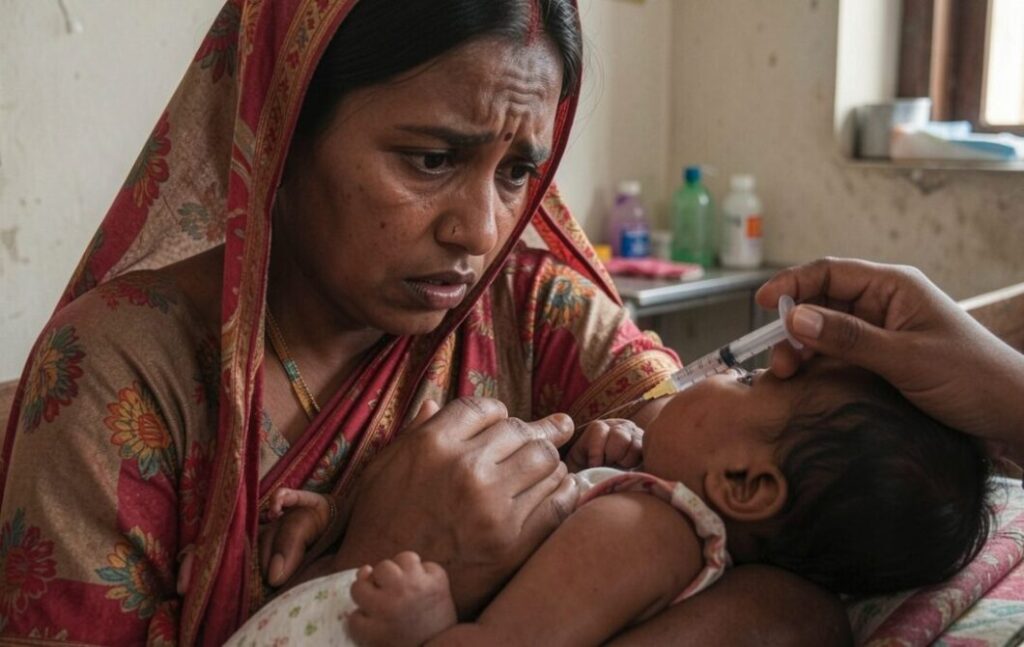
Infants who are too young to be vaccinated are among the most vulnerable. In overcrowded areas, the virus spreads quickly, leaving little chance for protection. Malnutrition and limited access to healthcare make the situation even worse.
For these children, the debate about vaccines is not theoretical. It is life or death.
Can we stop the measles outbreak?
The short answer is yes.
But only with immediate and coordinated action.
Bangladesh has already launched an emergency vaccination campaign targeting over a million children. International organizations are stepping in to support the effort. The goal is clear: contain the outbreak before it spreads further.
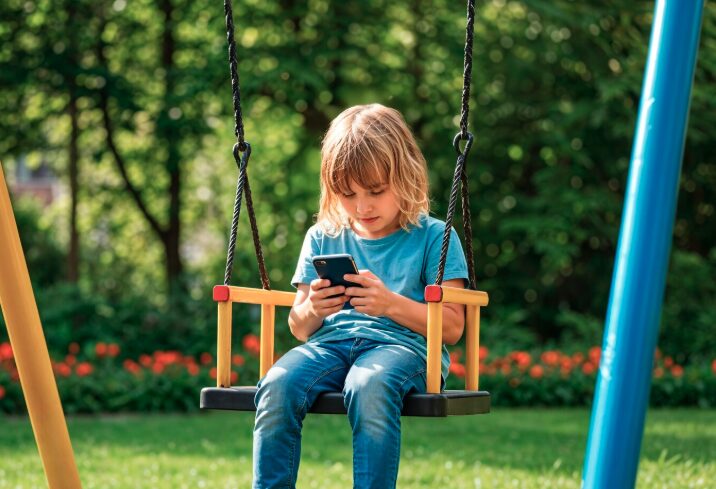
Screen addiction: are we raising the most distracted generation in history?
But emergency responses are not enough. We need long-term solutions.
This includes:
- Strengthening routine vaccination programs
- Ensuring consistent vaccine supply
- Addressing misinformation and rebuilding trust
Without these steps, the cycle will repeat.
A global warning, not just a local crisis
It would be a mistake to see this measles outbreak as a problem limited to one country.
Outbreaks have been reported in multiple regions in recent years, including Europe and North America. Declining vaccination rates are not unique to developing countries, they are a global trend. And this is what makes the situation particularly dangerous. In an interconnected world, diseases do not respect borders.
Measles is back.
Children are dying.
And the world once again debates what should have already been settled.
Are we willing to accept preventable deaths in the name of personal choice?
Tell us: If your child was 3 years old today, would you follow the full CDC vaccine schedule? Why or why not?
Share your thoughts in the comments or cast your vote in polls.
This is your SpeakOutZone.
Your voice. Your platform.
Frequently asked questions about measles outbreaks
Measles is fatal in up to 3 of every 1,000 cases, and 1 in 5 infected unvaccinated people is hospitalized. Complications include pneumonia, encephalitis, and long-term immune damage.
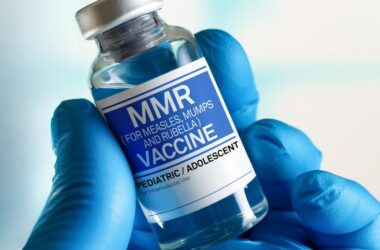
Yes. The MMR vaccine has been used for over 50 years with an extensive safety record. Every major health authority — the CDC, WHO, American Academy of Pediatrics — recommends it. The 1998 study linking MMR to autism was retracted and its author lost his medical license.
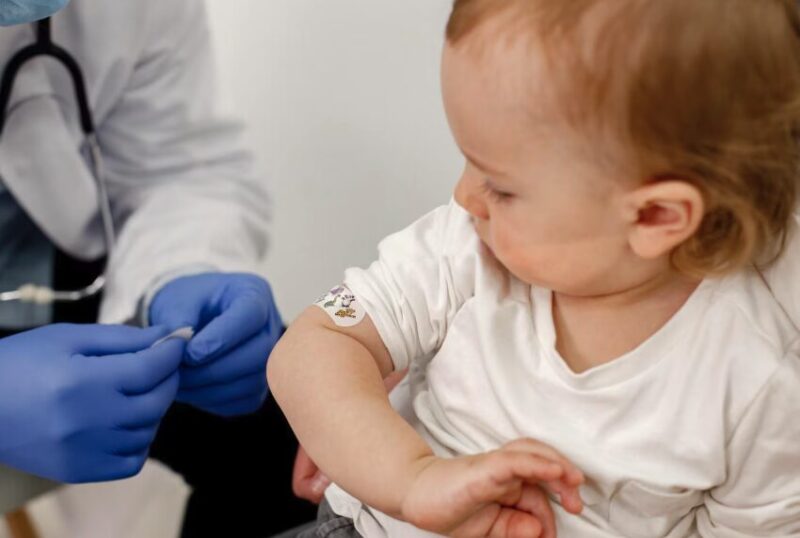
One dose provides about 93% protection. Two doses (given at 12–15 months and 4–6 years) provide about 97% protection. Ask your pediatrician if your child needs a booster.
Immunocompromised children rely on the vaccinated community around them for protection. We call this herd immunity — and it’s exactly why community-level vaccination rates matter.
*This article is for informational purposes only and is not medical advice. Please consult a healthcare provider for questions about your child’s vaccination schedule.

I’m not a doctor or a scientist. I’m a marketing professional who spent years working with health and lifestyle brands. I read a lot, ask a lot, and write about the topics that are worth debating about. My goal isn’t to tell you what to think. It’s to give you well-researched perspectives, honest opinions, and space to voice your thoughts.