
Last updated on July 23, 2026
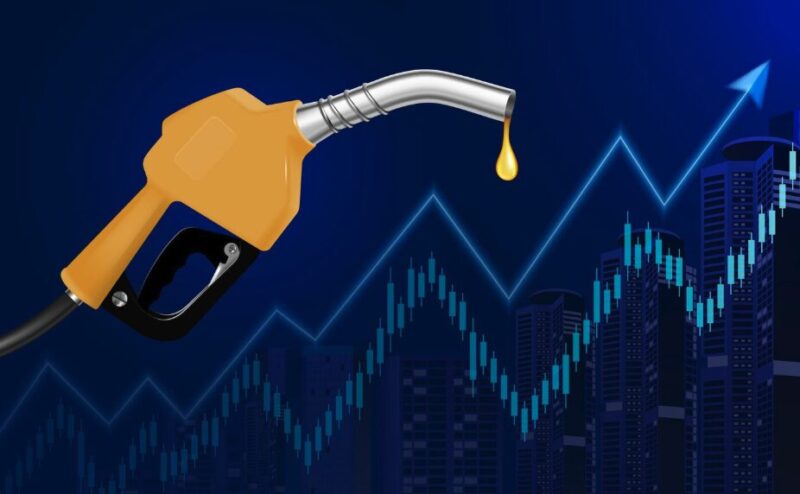
Social media is flooded with this unsettling idea: we might be heading into another lockdown. This time, however, it’s not about a virus. The conversation is shifting toward something that could impact our daily lives just as strongly — or even more directly — a potential shortage of fuel.
Viral posts suggest a scenario where global conflict disrupts oil supply chains, limiting transportation, travel, and overall mobility. The idea is simple but powerful: we won’t be “locked down” because of government rules, but because movement itself becomes restricted.
This wouldn’t be a traditional lockdown.
It would be a situation where staying home becomes the only realistic option.
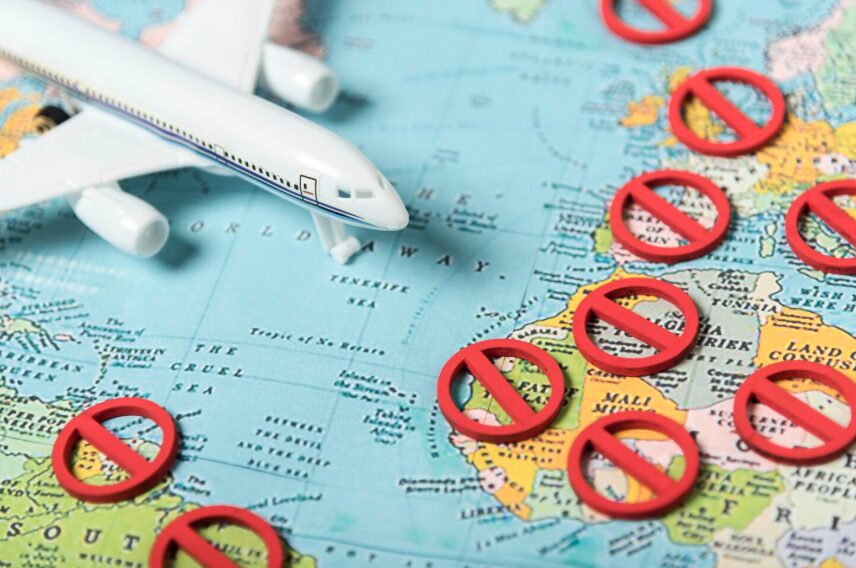
A different kind of lockdown
When people hear the word lockdown, they still associate it with restrictions, mandates, and loss of freedom. But what if the next lockdown doesn’t come with rules, but with limitations created by real-world conditions?
If fuel becomes scarce or significantly more expensive, a chain reaction begins. Transportation slows down, services become harder to access, and everyday routines start to shift. People would still be allowed to go out — but the question is how far, how often, and at what cost.
The global tension behind the fear of lockdown
The reason this topic is gaining attention lies in rising geopolitical tensions — but let’s not pretend this came out of nowhere.
Conflicts involving the United States, Israel, and Iran didn’t just “happen.” They were shaped by decisions. And some of those decisions go back directly to leadership decisions made recently by president Donald Trump.
His administration took an aggressive stance toward Iran, withdrew from the nuclear deal, and escalated tensions that many experts warned could spiral into long-term instability. At the time, critics were already saying this wouldn’t end well. And now, we’re seeing the consequences play out.
The Strait of Hormuz remains one of the most important oil transit routes in the world. Any disruption in that area immediately affects global markets — and from there, everyday life.
Higher fuel prices. Slower logistics. Reduced mobility.
At that point, the idea of a lockdown no longer feels abstract.
If you want to understand the broader context behind these tensions, you can read our article War in Iran: why did it happen?, where we break down how the situation developed.
Is this accidental — or something bigger?
As situations like this unfold, people naturally begin asking deeper questions. Is this simply how global politics works, or are certain crises the result of deliberate decisions that were always going to lead here?
Because let’s be honest — many analysts warned that escalating pressure on Iran could destabilize the entire region. And yet, those decisions were still made.
Today, people don’t just consume information — they question it. They compare narratives, look for patterns, and try to understand who benefits from instability.
Some believe this is just the reality of geopolitics.
Others believe this situation was predictable — and preventable.
Leadership, power and responsibility
Global conflicts are never just about countries — they are about people making decisions. And those decisions have consequences that can last for years.
Donald Trump has repeatedly claimed that his leadership reduced conflicts and brought stability. But what we see as results is just the opposite — that his approach toward Iran and strong alignment with Israel contributed to rising tensions that we are dealing with today.
Of course, opinions are divided. But we’re sure that most would choose peace over war.
Could an energy lockdown cost people their jobs?
One of the most overlooked consequences of a potential lockdown driven by fuel shortages is its economic impact. When mobility decreases, entire industries begin to feel the pressure.
Transportation, tourism, logistics — all depend heavily on accessible energy. If that access becomes limited, businesses slow down, costs rise, and uncertainty increases.
For some, this could mean reduced income.
For others, it could mean losing their jobs entirely.
Travel, mobility and a new kind of limitation
For many people, travel is not a luxury — it’s part of how they live and work. It connects opportunities, relationships, and growth. When that ability becomes restricted, the impact goes beyond inconvenience.
It changes how people plan their lives.
Flights may become less accessible or more expensive, and even occasional travel could feel like a major decision. Over time, this shifts not just behavior, but mindset.
For many people, travel is directly tied to their work, income, or sense of personal freedom. Limiting that movement doesn’t just affect schedules — it affects opportunities, connections, and overall quality of life.
A psychological shift we’ve seen before
Even the idea of another lockdown triggers something familiar. We’ve already experienced a period where normal life was suddenly disrupted, and that memory continues to shape how we react today.
People tend to become more alert when they hear similar scenarios. They pay closer attention to information, react more quickly, and often start imagining possible outcomes before anything actually happens.
Some begin to prepare.
Others dismiss the possibility.
But most people feel a certain level of uncertainty — even if they don’t openly acknowledge it.
What do you think?
Maybe another lockdown won’t happen.
But maybe it will — in a form we haven’t seen before.
So the real question is not just what’s happening globally, but how you see it.
Do you think we’re heading toward restricted mobility?
Do you believe this is being exaggerated?
How would it affect your life?
Vote in the polls. Share your opinion in the comments.
This is your SpeakOutZone.
Your space to express.

I’m not a doctor or a scientist. I’m a marketing professional who spent years working with health and lifestyle brands. I read a lot, ask a lot, and write about the topics that are worth debating about. My goal isn’t to tell you what to think. It’s to give you well-researched perspectives, honest opinions, and space to voice your thoughts.