

Last updated on July 23, 2026
For centuries, freedom of speech was celebrated as one of the pillars of democratic societies. The idea was simple: people should be able to express their opinions without fear of punishment from authorities.
This principle helped shape modern democracies, journalism, academic debate, and political change. But something unusual is happening today.
A right that once seemed universally accepted is now one of the most debated ideas of our time.
In online discussions, universities, workplaces, and social media platforms, people increasingly disagree about what freedom of speech actually means — and where its limits should be.
We believe that freedom of speech must remain a top priority, even when opinions are uncomfortable or offensive. But some say that certain forms of speech cause real harm and should be restricted.
What do you think?
The original idea behind freedom of speech
To understand why this debate matters, it helps to remember why freedom of speech was considered so important in the first place.
Historically, the right to speak openly protected citizens from government censorship and authoritarian control. Without it, criticizing leaders or questioning social norms could lead to punishment.
Many philosophers believed that open discussion was essential for discovering truth.
One of the most famous examples comes from ancient Greece.
Socrates paid the ultimate price for free speech
The philosopher Socrates spent his life asking uncomfortable questions about politics, morality, and knowledge. His method was simple: challenge assumptions and encourage people to think critically.
But not everyone appreciated this approach.
In 399 BCE, Socrates was accused of corrupting the youth and disrespecting the gods of Athens. He was put on trial and ultimately sentenced to death.
Rather than abandoning his ideas, he accepted the punishment.
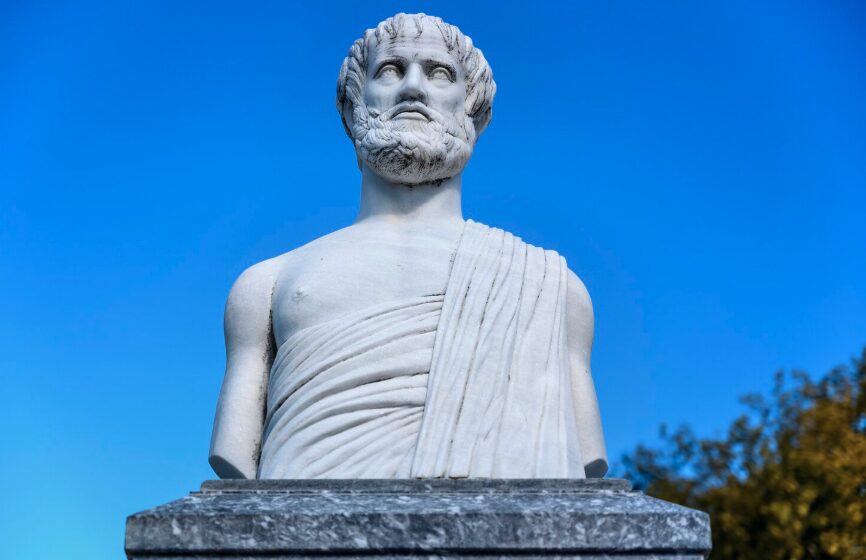
The case of Socrates is often cited as an early example of why societies need freedom of speech — because challenging dominant ideas can be dangerous, but it is also necessary for progress.
When speaking the truth was considered dangerous
Socrates was not the only historical figure who faced consequences for challenging accepted beliefs.
Centuries later, another thinker found himself in conflict with powerful institutions.
Galileo challenged the worldview of his time
In the early 17th century, the scientist Galileo Galilei supported the idea that Earth revolves around the sun — a theory that contradicted the dominant teachings of the Catholic Church at the time.
Today, this sounds obvious.
But in Galileo’s era, it was controversial enough to trigger a trial by the Inquisition.
In 1633, Galileo was forced to recant his views and spent the rest of his life under house arrest. His story is often used to illustrate how new ideas can face resistance before eventually becoming accepted truth.
History is full of similar examples.
Ideas that were once condemned later became widely accepted.
This is one reason many people argue that protecting freedom of speech is essential — even when speech challenges prevailing beliefs.
Freedom of speech and the search for truth
We believe that free speech protections often point to a simple principle: open debate helps society correct its mistakes. When people can freely exchange ideas, flawed arguments can be challenged and better solutions can emerge.
Philosopher John Stuart Mill famously argued that even unpopular or offensive opinions have value because they force societies to examine their own assumptions.
Without open debate, societies risk falling into intellectual stagnation.
But the modern world has complicated this idea.
Today, speech does not happen only in philosophical debates or academic discussions.
It happens instantly — and globally — through digital platforms.
And that changes everything.
Why freedom of speech feels different in the digital age
The internet has dramatically expanded the reach of individual voices. Anyone with a smartphone can share opinions with thousands — or even millions — of people. This has created extraordinary opportunities for communication.
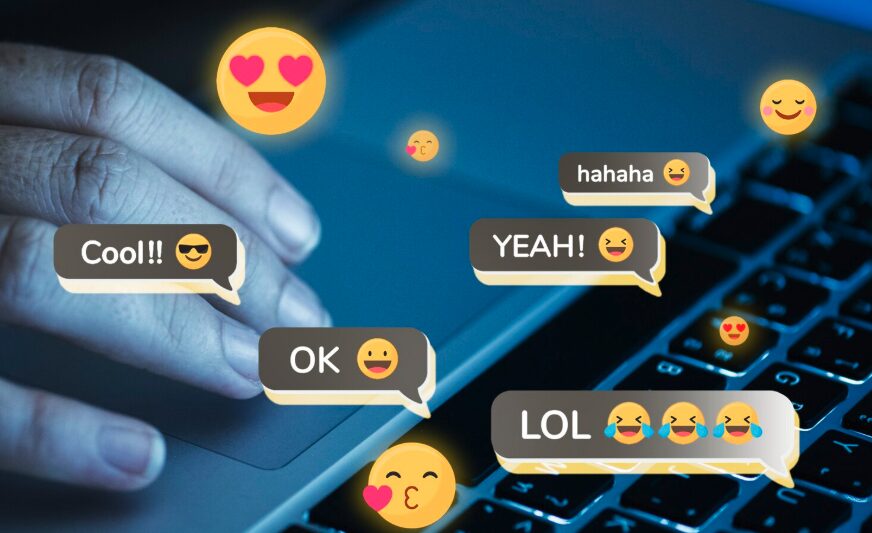
But it has also created new challenges.
Online platforms can amplify conflicts, misunderstandings, and outrage far more quickly than traditional media ever could. In this environment, controversial statements can trigger large-scale reactions within hours.
This dynamic is closely connected to another debate explored in our article Are you being silenced by cancel culture?, where readers are already voting on whether social pressure online is limiting open discussion.
Because while the internet has expanded the ability to speak, it has also increased the social consequences of speaking.
The rise of social pressure in public conversations
One of the biggest changes in modern discussions is the role of social pressure. Unlike government censorship, this pressure often comes from communities themselves. People may face criticism, boycotts, or reputational damage after expressing certain opinions.
- Is it just society holding individuals accountable?
- Or it discourages open dialogue?
A controversial statement can trigger reactions ranging from thoughtful debate to intense backlash.
The result is a digital environment where speech is technically free — but not always socially safe.
If you voted yes, what kind of limits do you have in mind? Tell us in the comments.
Freedom of speech in a connected world
The scale of modern communication makes managing speech far more complicated than in the past.
Social media platforms must constantly decide how to balance free expression with concerns about misinformation, harassment, and harmful content.
These decisions are not simple.
Every policy change raises new questions:
- Who decides what speech crosses the line?
- Should platforms remove offensive content?
- Where is the boundary between protection and censorship?
These questions affect billions of users worldwide.
According to research by the Pew Research Center, around 70% of adults in many democratic countries believe freedom of speech is very important, yet large portions also support restrictions on certain types of speech, particularly when it involves hate or misinformation.
This tension reflects the complexity of modern communication.
People want open discussion — but they also want safe and respectful environments.
Balancing those priorities is not easy.
Why people increasingly avoid controversial topics
Another interesting development is how individuals adapt to these tensions. Some people have started avoiding certain topics altogether. Politics, religion, identity, and social issues can quickly turn into heated arguments online. To avoid conflict, many users choose silence instead.
Are people increasingly censoring themselves because they are afraid of online shaming? Check it out in the article.
The paradox of modern speech
The modern era presents a fascinating paradox.
Technically, more people can speak publicly than at any time in human history.
The internet has removed many traditional barriers to communication. Anyone can publish ideas, challenge authority, or participate in global conversations.
At the same time, public discussions often feel more tense and polarized.
Algorithms amplify emotional content. Online audiences can react quickly and intensely.
This environment creates a strange combination:
- more voices
- more visibility
- more pressure
Some people believe this pressure strengthens social accountability.
Others believe it discourages honest debate.
The debate isn’t going away
Every generation faces its own struggles over speech and expression.
Ancient philosophers challenged religious authority. Scientists confronted established beliefs. Journalists exposed corruption. Each time, the question remained the same:
Should society protect controversial speech — or limit it to prevent harm?
Today, the debate continues on a much larger stage.
Billions of people now participate in conversations that were once limited to small circles. That means the future of freedom of speech will not be decided by philosophers alone. It will be shaped by millions of everyday choices about what we say, what we tolerate, and how we respond to opinions we disagree with.
So now the question returns to you.
Scroll down and share your opinion.
Do you think freedom of speech is being protected — or quietly shrinking in the digital world?
Vote in the polls, challenge ideas, and join the conversation.
Because this discussion affects everyone who speaks online.
This is your SpeakOutZone.
Your space to express.

I’m not a doctor or a scientist. I’m a marketing professional who spent years working with health and lifestyle brands. I read a lot, ask a lot, and write about the topics that are worth debating about. My goal isn’t to tell you what to think. It’s to give you well-researched perspectives, honest opinions, and space to voice your thoughts.