
Last updated on October 23, 2026
For many people, the internet once felt like the ultimate space for free expression. Social media platforms promised a place where anyone could share ideas, challenge authority, and participate in public conversations. But over the past decade, something has shifted. More and more people are asking a difficult question: are we still speaking freely online, or are we slowly being silenced by cancel culture?
Today, one viral post, one controversial opinion, or one misunderstood comment can trigger waves of backlash. Careers have been damaged, reputations destroyed, and entire conversations shut down overnight.
As always, there are different opinions about the uprising cancel culture. Some say it is simply accountability, others say it has become something else entirely — a form of social punishment that discourages people from speaking honestly.
The truth may lie somewhere in between. But before we dive deeper into this debate, we want to hear from you.
Your answer says a lot about how the internet feels today.
What cancel culture actually means
The phrase cancel culture has exploded across media headlines, social networks, and political debates. Yet its meaning is often unclear.
cancel culture describes a social phenomenon
where individuals face collective backlash for something they said or did.
This backlash can involve public criticism, boycotts, job loss, or social exclusion.
Some argue that this is simply society holding powerful people accountable.
Others believe cancel culture has gone far beyond accountability and has begun silencing people who express unpopular opinions.
What makes the debate particularly intense is that cancel culture rarely follows clear rules. The consequences can vary dramatically depending on context, audience, and timing.
A single tweet written years ago can suddenly resurface and ignite a wave of outrage.
And once that outrage spreads, the internet moves fast.
How social media amplified cancel culture
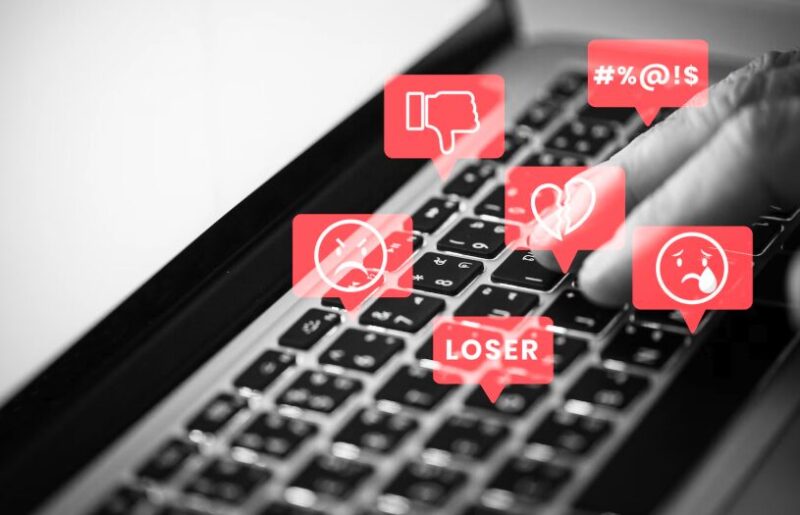
The rise of social media has dramatically accelerated how quickly public judgment spreads. Platforms reward engagement — and outrage often travels faster than nuance.
Social media algorithms tend to amplify posts that generate strong reactions. A controversial comment can quickly be shared, criticized, and reinterpreted thousands of times before the original context is even understood.
This environment creates a powerful feedback loop.
The more attention a controversy receives, the more visible it becomes. And the more visible it becomes, the more people feel pressure to respond.
The result is a digital environment where mistakes — or even disagreements — can escalate into large-scale public conflicts.
Some researchers have described this phenomenon as a form of “online mob dynamics.” Once a narrative begins to spread, individuals often join the criticism without fully understanding the original situation.
That dynamic raises an uncomfortable question:
Are we creating a system where public dialogue becomes more about punishment than discussion?
Is cancel culture changing how people speak online
Perhaps the most subtle impact of cancel culture is not the high-profile controversies we see in the news. It’s the quieter change happening in everyday conversations.
Many people report thinking twice before posting opinions online. Some avoid discussing political or cultural topics entirely.
Others delete posts, rewrite comments, or simply choose silence.
The quiet rise of self-censorship
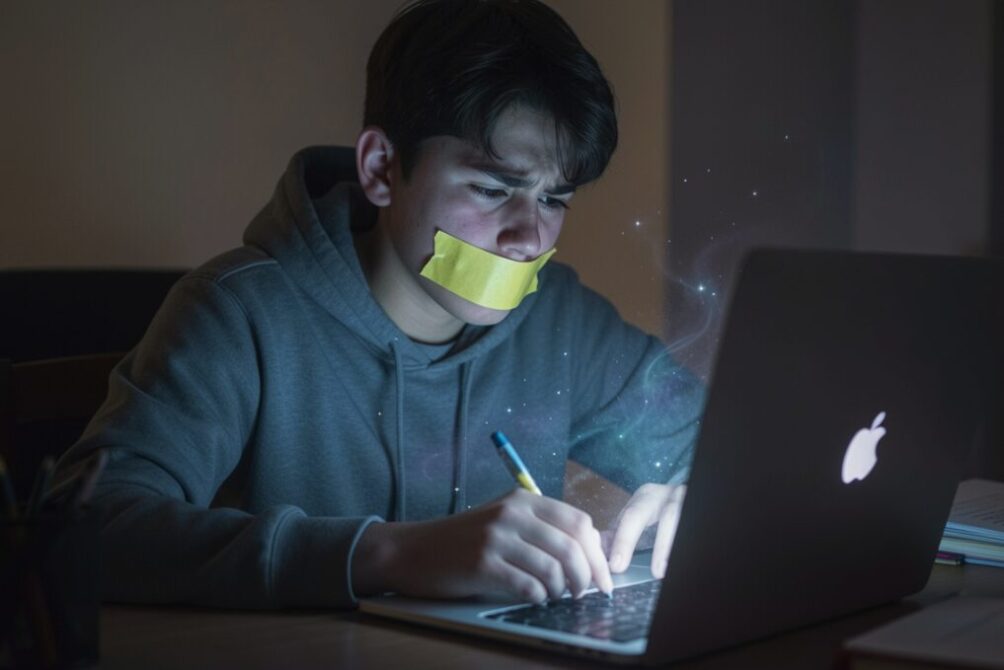
In recent years, researchers have started examining the phenomenon of self-censorship on social media. People may technically have the freedom to speak, but they choose not to because of potential social consequences.
Fear of backlash, reputational damage, or professional risk can shape how openly individuals express themselves.
This raises an interesting follow-up discussion that deserves its own debate.
👉 Are people starting to censor themselves online before anyone else even reacts?
We explore that question in a dedicated article about self-censorship and online free speech, where you can also vote in a new poll and see how others feel about this trend.
Because sometimes the most powerful form of silence is the one we impose on ourselves.
The role of public outrage
Outrage has always existed in public life. But the internet has turned it into something faster, louder, and far more visible. A controversial moment can trigger thousands of reactions within minutes. Hashtags spread, screenshots circulate, and commentary multiplies across platforms.
For some people, this collective reaction feels like justice in action.
For others, it looks more like digital vigilantism.
Critics argue that cancel culture thrives in environments where outrage becomes a form of social currency. Expressing anger publicly can signal moral alignment with a particular group or cause.
In other words, outrage can function as a social signal.
But when outrage becomes the dominant response to disagreement, constructive conversation becomes much harder.
That raises another debate worth exploring:
👉 Has public outrage become the internet’s favorite sport?
In a related article about online outrage and viral backlash, you can vote in a poll and see how others interpret the rise of outrage-driven discussions.
Because outrage may be powerful — but it doesn’t always lead to understanding.
Statement: Cancel culture is necessary
It would be unfair to discuss cancel culture without acknowledging why many people support it.
For decades, marginalized voices struggled to challenge powerful figures who acted without consequences. Social media has changed that balance. Public pressure can now expose harmful behavior and force accountability.
In many cases, this shift has allowed communities to challenge racism, harassment, or abuse that might previously have gone unnoticed.
From this perspective, cancel culture is not censorship — it’s social responsibility.
The argument is simple: if someone says or does something harmful, society has the right to respond.
And in the digital age, that response often happens collectively.
This perspective highlights an important truth: the debate around cancel culture is not just about speech. It’s about values, power, and who gets to define acceptable behavior in public spaces.
Statement: Cancel culture discourages honest debate
On the other side of the debate, some say that cancel culture has become unpredictable and excessive. Instead of encouraging thoughtful discussion, they say it pushes people toward silence or ideological conformity.
The fear of being misinterpreted or attacked can discourage individuals from sharing complex or controversial viewpoints.
This is especially concerning in environments like universities, media, and public policy discussions, where open debate is essential.
If people avoid discussing difficult topics altogether, society may lose opportunities for genuine understanding.
That is why many commentators now ask whether the internet still supports healthy disagreement, or whether disagreement itself has become socially dangerous.
The deeper question behind cancel culture
Perhaps the most important question in this entire debate is not whether cancel culture exists.
It clearly does.
The deeper question is what kind of online culture we want to build moving forward.
- Should digital platforms prioritize open discussion, even when opinions are uncomfortable?
- Or should communities enforce stronger social norms to prevent harmful speech?
Both positions have compelling arguments.
But the answer will shape how the internet evolves over the next decade.
Because the balance between accountability and free expression is one of the defining challenges of our digital age.
The debate continues
Cancel culture sits at the intersection of power, speech, technology, and social norms.
Some people see it as long-overdue accountability. Others see it as a new form of social control.
Most people, however, fall somewhere in between.
- They want fairness.
- They want respectful conversation.
- And they want the freedom to speak without fear.
The real challenge is figuring out how to protect all three at the same time.
That’s why these discussions matter.
And that’s why your voice matters.
So now we want to hear from you.
Do you believe cancel culture protects society — or threatens open discussion?
Scroll down, vote in the polls, and share your opinion in the comments.
Because the future of public conversation isn’t decided by algorithms alone.
It’s shaped by the people who participate in it.
This is your SpeakOutZone.
Your space to express.

I’m not a doctor or a scientist. I’m a marketing professional who spent years working with health and lifestyle brands. I read a lot, ask a lot, and write about the topics that are worth debating about. My goal isn’t to tell you what to think. It’s to give you well-researched perspectives, honest opinions, and space to voice your thoughts.