
Last updated on April 10, 2026
Artificial intelligence has made incredible progress in recent years, especially when it comes to generating and editing images. What once required advanced technical skills can now be done in seconds, often with just a single photo. One of the most concerning outcomes of this shift is the rise of deepfake photos — highly realistic images that can depict people in situations that never actually happened.
At first glance, this might sound like a niche or technical issue. But it’s not. This is no longer about celebrities or public figures. Today, anyone with an online presence can become a target.
And the most unsettling part?
You might never even know it happened.
How deepfake photos are created from a single image
The barrier to entry for creating deepfake photos has dropped dramatically. With the help of widely available AI tools, users can upload a single image and generate altered versions that look strikingly real.
These tools can:
- change facial expressions
- modify environments
- alter clothing
- generate entirely new visual contexts
In more controversial cases, they can even create explicit or highly personal images of individuals without their consent.
And because the results are so convincing, distinguishing between real and fake is becoming increasingly difficult.
This isn’t just about celebrities anymore
For years, manipulated images primarily targeted public figures — actors, politicians, influencers. But deepfake photos have now moved far beyond that.
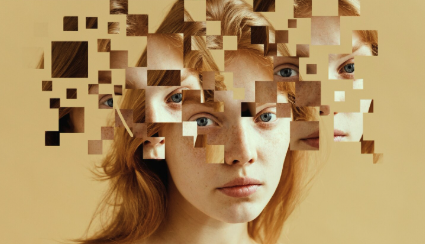
Everyday people are increasingly affected.
Photos taken from:
- social media profiles
- messaging apps
- professional websites
- even private accounts
can be downloaded, altered, and redistributed without permission.
At the same time, real-world cases are already showing how far this can go. Platforms like Grok have faced lawsuits after users reportedly used AI tools to transform real photos — including those of teenagers active on social media — into explicit images without their knowledge or consent.
This shift changes everything. Because it means the risk is no longer theoretical.
Why deepfake photos are so hard to detect
One of the biggest challenges with deepfake photos is how realistic they have become.
AI models are trained on massive datasets, allowing them to replicate:
- skin texture
- lighting
- shadows
- facial details
As a result, even trained eyes can struggle to identify manipulation.
In digital environments, where images are consumed quickly and often without context, people rarely question what they see. This creates a perfect environment for deepfake content to spread.
And once it spreads, it becomes almost impossible to fully remove.
The emotional and social impact of deepfake photos
The consequences of deepfake photos go far beyond technology.
For individuals affected, the impact can be deeply personal:
- loss of privacy
- reputational damage
- emotional distress
- anxiety and fear
Even when images are proven to be fake, the perception can persist. People may still associate the individual with the content they have seen.
This creates a situation where the damage is real even if the image is not.
Deepfake photos and the illusion of control
Many people believe they have control over their online presence. They choose what to post, what to share, and what to keep private.
But deepfake photos challenge that idea completely.
Once an image exists online it can be:
- saved
- copied
- manipulated
- reused
without your knowledge.
This raises an uncomfortable question:
👉 Do we actually control our digital identity anymore?
The connection between deepfake photos and AI development
The rise of deepfake photos is closely tied to the rapid development of AI systems. As these tools become more powerful and accessible, their potential for misuse grows as well.
This is something we are already seeing across different areas of AI.
For example, as discussed in our article on how AI is influencing human thinking and perception, these systems are not only changing what we create — but also how we interpret reality itself.
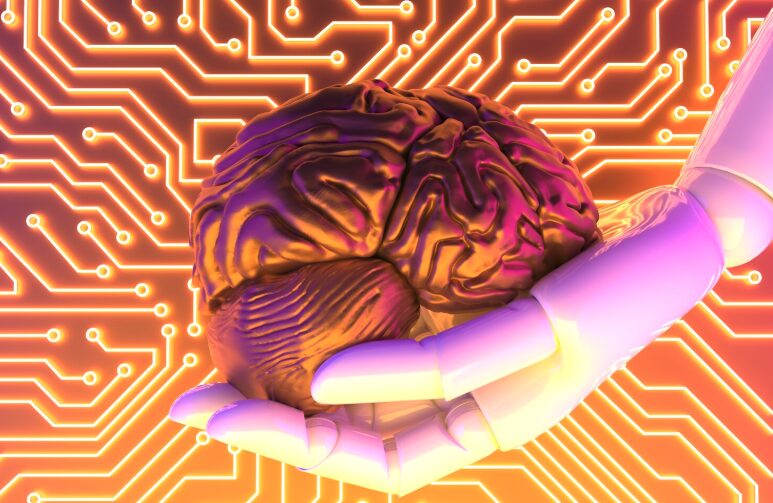
When combined with realistic image generation, this creates a powerful — and potentially dangerous — combination.
Can deepfake photos be regulated?
As concerns grow, governments and legal systems are starting to respond.
New regulations are being proposed to:
- protect individuals from non-consensual image manipulation
- hold platforms accountable
- enforce stricter AI safety standards
However, regulation is moving slower than technology. And while some companies are implementing safeguards, others are still catching up — or choosing a more open approach.
This creates an uneven landscape, where the level of protection depends heavily on the platform being used.
What can you actually do to protect yourself?
While it’s impossible to completely eliminate risk, there are steps individuals can take to reduce exposure:
- be mindful of what you share publicly
- review privacy settings on social platforms
- avoid uploading sensitive images to unknown tools
- stay informed about how AI technologies work
But even with these precautions, the reality remains: total control is no longer guaranteed.
Deepfake photos are changing how we trust what we see
Trust has always been a fundamental part of communication.
We trust images.
We trust what we see.
But deepfake photos are starting to erode that trust.
As manipulated content becomes more common, people may begin to question everything — even real images.
This creates a new kind of uncertainty, where seeing is no longer believing.
This could affect you
The rise of deepfake photos is not just a technological issue. It is a societal shift.
It affects:
- privacy
- identity
- trust
- and how we interact with the digital world
What started as an advanced capability is now becoming accessible to almost anyone. And that means the question is no longer: Can this happen?, but rather: Could this happen to you?
Deepfake photos are no longer just a concept — they are part of the reality we live in.
Now we want to hear from you.
- Are you concerned about how your photos could be used?
- Do you think AI is moving too fast?
- Should platforms be held more accountable?
Scroll back, vote in the polls, and share your thoughts in the comments.
Because your voice matters in shaping what comes next.
This is your SpeakOutZone.
Your Voice. Your Platform.

I’m not a doctor or a scientist. I’m a marketing professional who spent years working with health and lifestyle brands. I read a lot, ask a lot, and write about the topics that are worth debating about. My goal isn’t to tell you what to think. It’s to give you well-researched perspectives, honest opinions, and space to voice your thoughts.